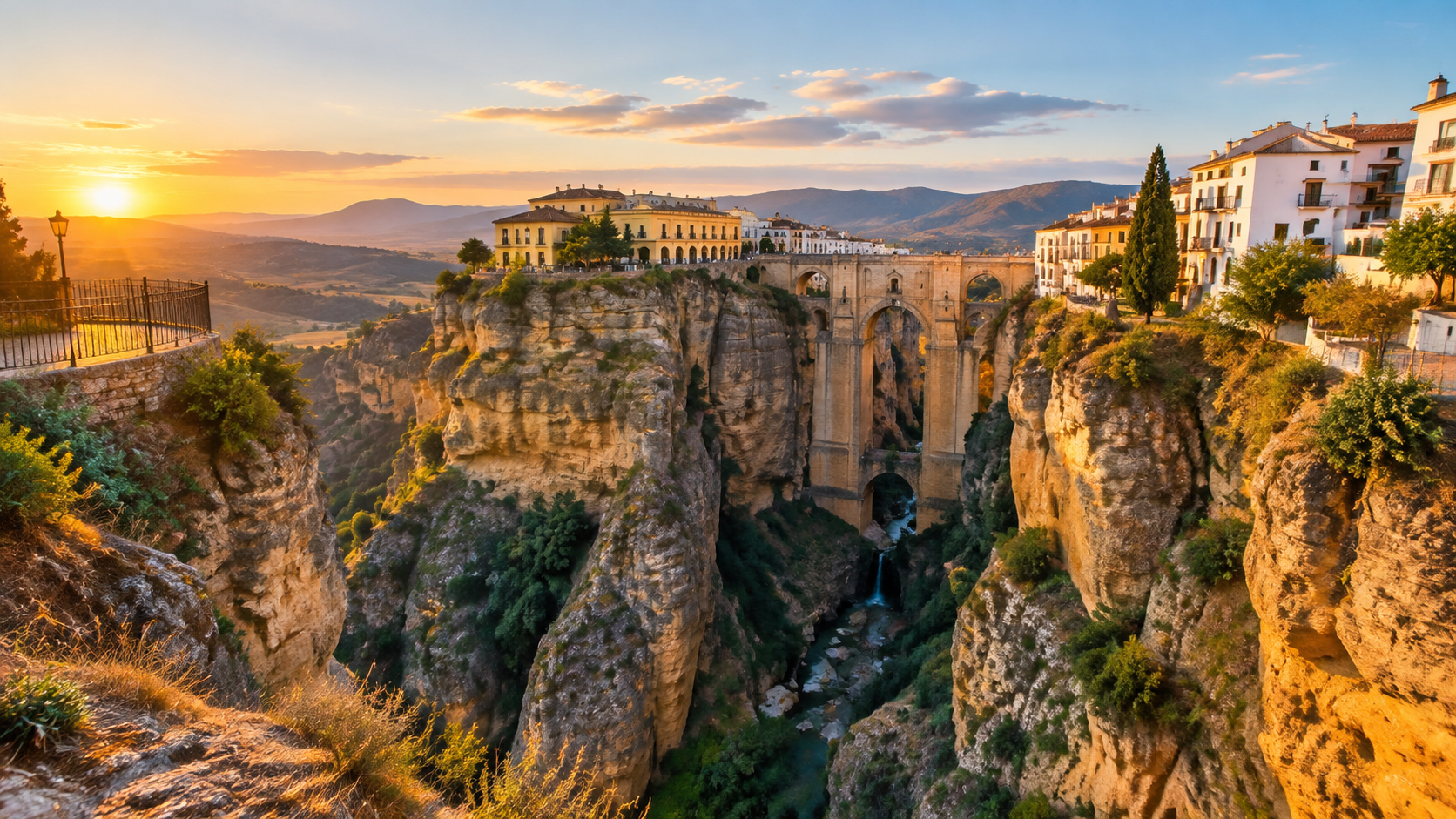
Mirador de Ronda
Morning or afternoon light
Positioned at the edge of the cliff to capture the full scale of the Puente Nuevo against the gorge.

Ronda divides itself across a 120-meter gorge carved by the Guadalevín River, creating one of Andalusia's most dramatic urban landscapes. The question of whether this mountaintop town merits a detour depends on what you value in a destination—engineered spectacle, layered history, or simply a setting that differs sharply from coastal Málaga.
Quick answer
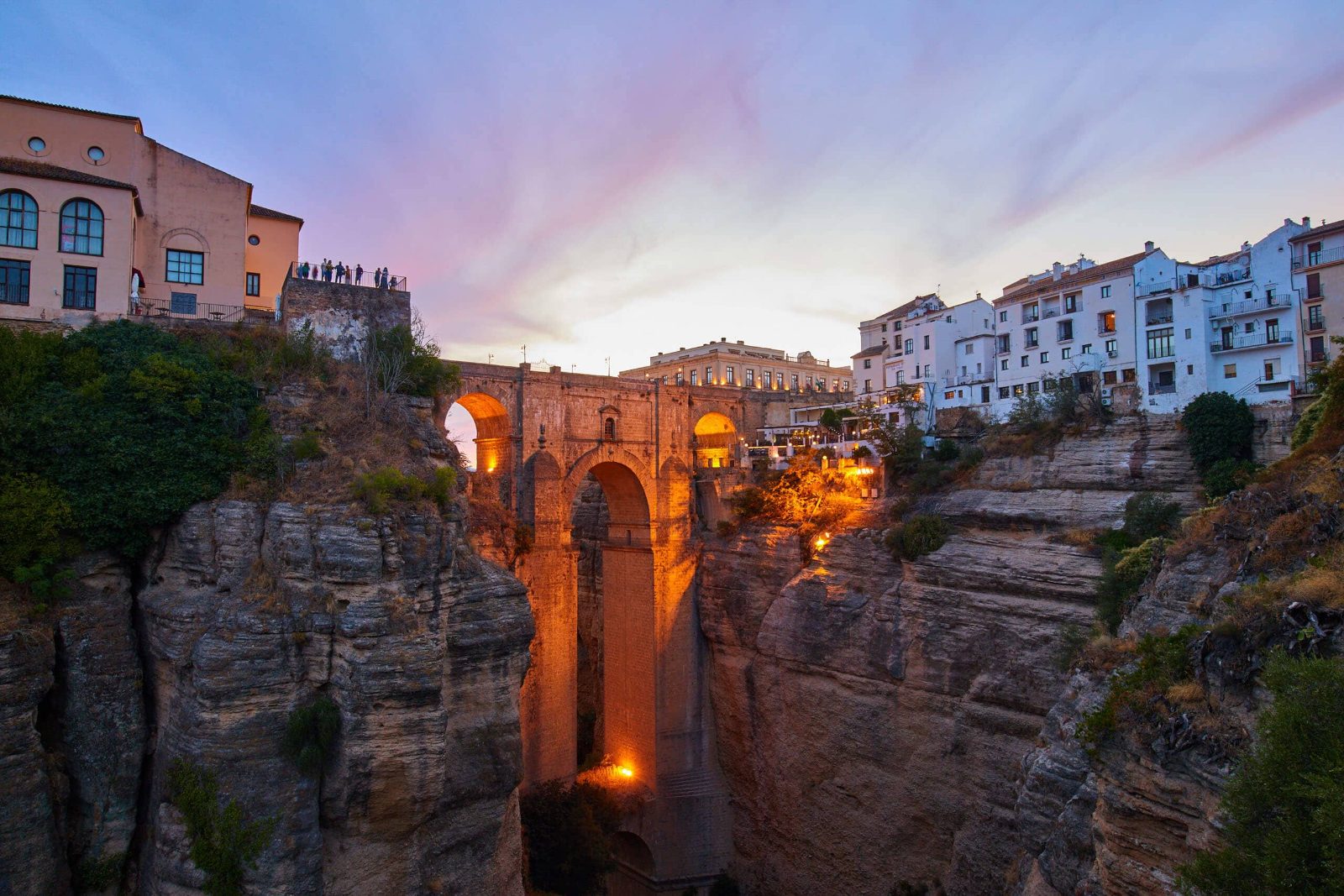
Yes, Ronda Spain is worth visiting if you appreciate dramatic natural landscapes paired with historic architecture. The Puente Nuevo bridge spans a 120-meter gorge, the old town preserves intact 18th-century bullring and Arab baths, and the mountain setting offers relief from coastal crowds. A half-day visit covers the essential landmarks; a full day allows exploration of surrounding countryside and wine routes.
The Tajo de Ronda gorge splits the town into two distinct halves—the medieval Ciudad on one side, the 18th-century Mercadillo on the other—connected by three bridges built across three centuries. The newest, paradoxically named Puente Nuevo, took 42 years to complete and remains the visual anchor of any visit to Ronda Spain. Standing 98 meters above the river, the bridge functions as both infrastructure and monument, its central arch framing views into the chasm below. Whether visiting Ronda merits your time depends on your tolerance for tourist infrastructure and your interest in engineered landscapes. The town receives heavy day-trip traffic from coastal resorts, particularly between April and October, which concentrates visitor flow around the bridge viewpoints and Plaza de España. Arrival before mid-morning or after 15:00 reduces congestion noticeably. The Puente Nuevo Interpretation Centre, housed in the bridge's interior chambers, charges a 2.5 EUR admission and provides context for the structure's construction—an optional but worthwhile addition for those interested in civil engineering history. Beyond the bridge, Ronda offers the Plaza de Toros bullring, one of Spain's oldest and most architecturally significant, and the Baños Árabes, remarkably preserved 13th-century baths that predate the Christian conquest. The old quarter descends steeply from the gorge edge, its streets lined with whitewashed houses and small plaza viewpoints overlooking the Serranía de Ronda mountains. For wine-focused travelers, the surrounding Sierra de Ronda produces notable reds and has developed tasting-room infrastructure in recent years. The town functions best as a day trip from Málaga or Marbella rather than a multi-night base. Its compact historic center can be thoroughly explored in four to five hours, though the pace of exploration matters—rushing from viewpoint to viewpoint yields diminishing returns. Ronda rewards methodical walking, particularly along the clifftop Paseo de los Ingleses and into the less-trafficked Barrio de San Francisco. The landscape delivers what coastal Andalusia cannot: altitude, cooler temperatures, and a vertical relationship between architecture and terrain that feels fundamentally different from sea-level tourism.
“The Puente Nuevo took 42 years to complete and remains the visual anchor of any visit, its central arch framing views into the chasm 98 meters below.”
To experience Ronda with fewer crowds and optimal lighting for the Puente Nuevo bridge, plan your arrival for the 10:00–11:30 window. Selecting shoulder seasons helps moderate the intense heat often found in this region.
Mild temperatures (15°C to 24°C)
The landscape is green and wildflowers are in bloom. These months offer the most comfortable climate for walking the town's perimeter.
Cooler air (12°C to 22°C)
Crowds thin out significantly after the summer peak. The light remains favorable for photography throughout the day.
—
Arriving during the 10:00–11:30 window allows you to avoid mid-day tour groups. This timing provides softer light for capturing the bridge before the sun creates harsh shadows.
Hot and dry (20°C to 33°C)
Temperatures often exceed 30°C by midday. Visitors should plan outdoor activities early to avoid the peak afternoon heat.
Verdict: For the most balanced experience, visit between Tuesday and Thursday during April or October, ensuring an arrival between 10:00–11:30.
The Puente Nuevo Interpretation Centre maintains a consistent weekly schedule, allowing visitors to plan their visit to Ronda with predictability.
Ronda is located in the mountainous interior of Málaga province, approximately 100 kilometers from Benalmádena. The most direct approach is by private vehicle or organized transport.
A-397 road via San Pedro de Alcántara
Avanza bus from Benalmádena to Málaga, then coach to Ronda
Cercanías C1 to Málaga María Zambrano, then Renfe MD train to Ronda
Parking in the town center is limited, so utilizing public parking garages near Plaza de España provides the easiest access to the main sights. For the best experience, plan your journey to align with the recommended arrival window of 10:00–11:30.
Morning or afternoon light
Positioned at the edge of the cliff to capture the full scale of the Puente Nuevo against the gorge.
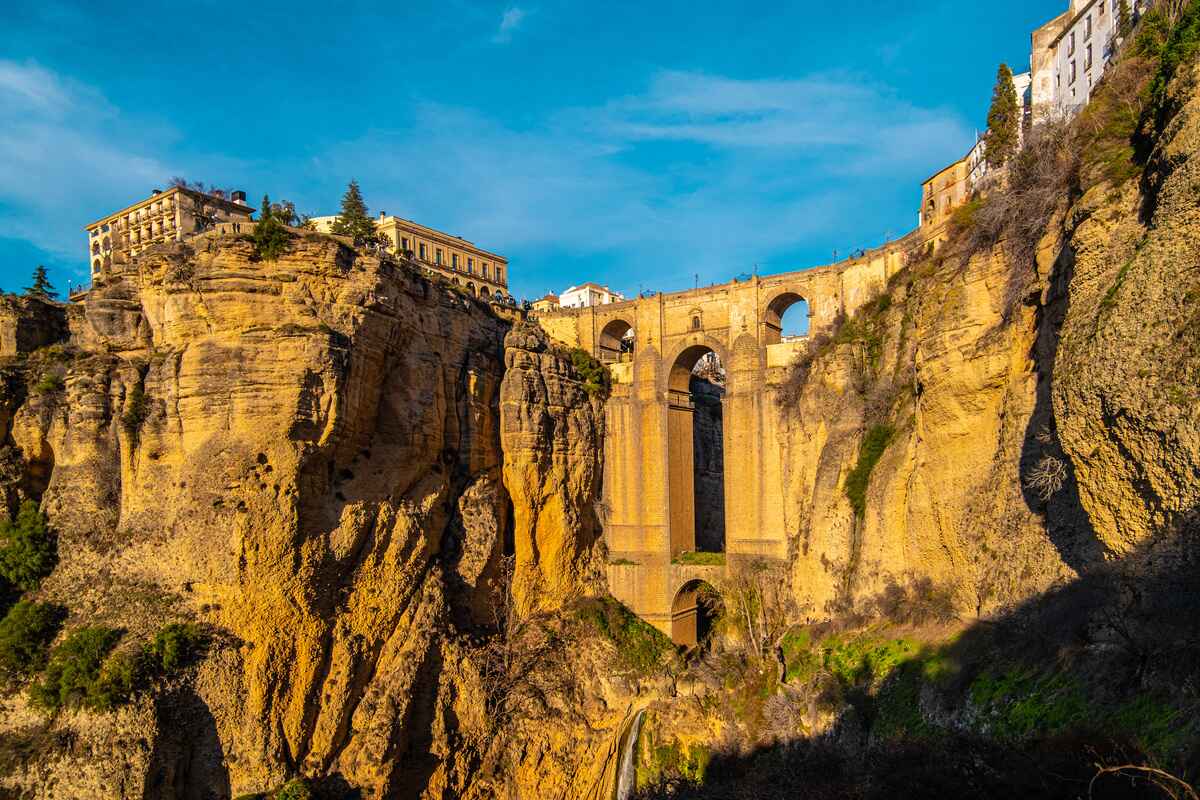
Avoid peak mid-day crowds
Located at the northern end of the bridge, providing a direct vertical line along the structure.
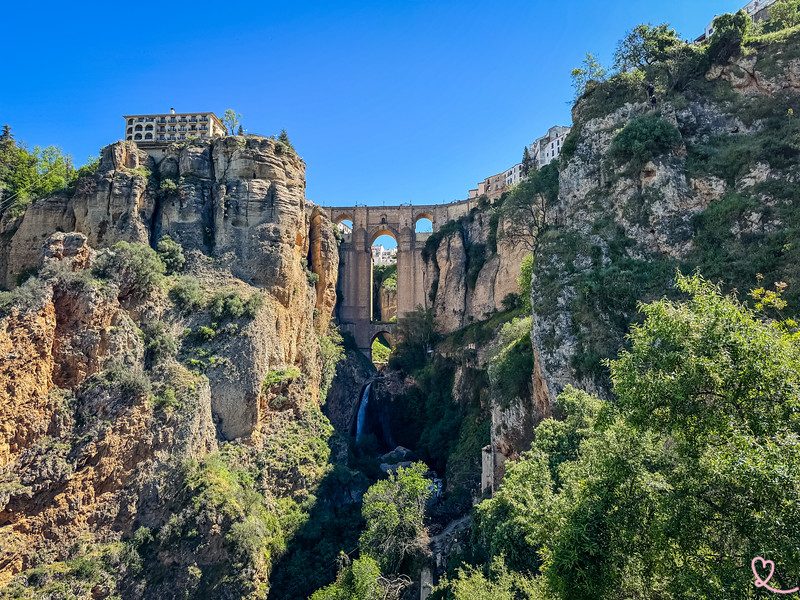
Morning sun on bridge face
A lower trail offering an upward perspective of the bridge arches from the valley floor.
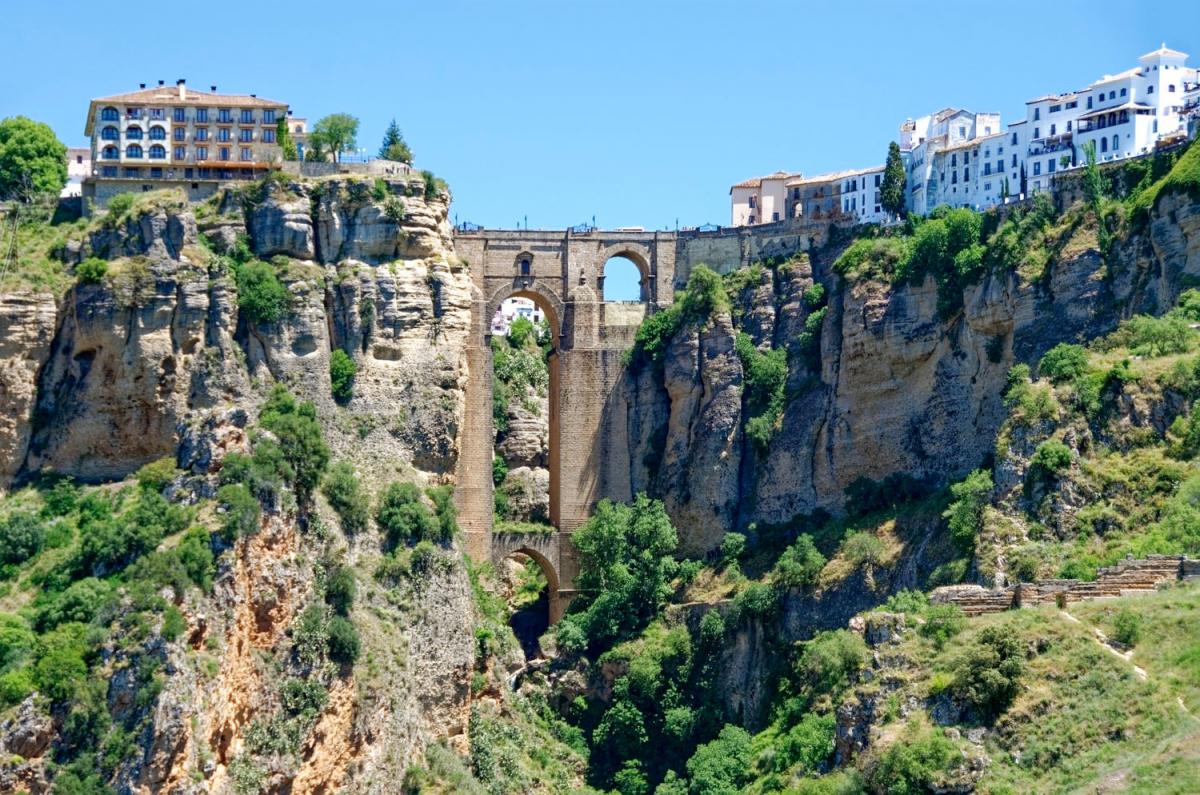
Best during soft light
A designated viewpoint providing a balanced perspective of the bridge and the surrounding white houses.
Everything you need to know about is ronda spain worth visiting
Ronda is a popular destination featuring a deep gorge, historic bullring, and Moorish architecture, making it a common choice for travelers exploring Andalusia. Many visitors find the town's dramatic cliffside position well worth the journey.
The admission fee for the Puente Nuevo Interpretation Centre is 2.5 EUR. This fee provides access to the space located inside the iconic bridge structure.
To avoid mid-day crowds and capture the bridge in softer light, the best arrival window is 10:00–11:30. Arriving during this period helps you experience the landmark before peak visitor traffic arrives.
Yes, opening hours vary by day, with operations typically running from 09:30 or 10:00 until 15:00, 18:00, or 19:00 depending on the specific day of the week. Please check the full weekly schedule before finalizing your trip to ensure the site is accessible.
The Puente Nuevo Interpretation Centre is located at Plaza de España, s/n, 29400 Ronda, Málaga, Spain. This central location serves as a primary hub for visitors exploring the town's historic landmarks.
To maximize your time while determining if Ronda Spain worth visiting, consider aligning your schedule with the recommended arrival window and pre-planning your transit route. Prioritizing the central gorge area and historic center allows for a comprehensive visit without feeling rushed.