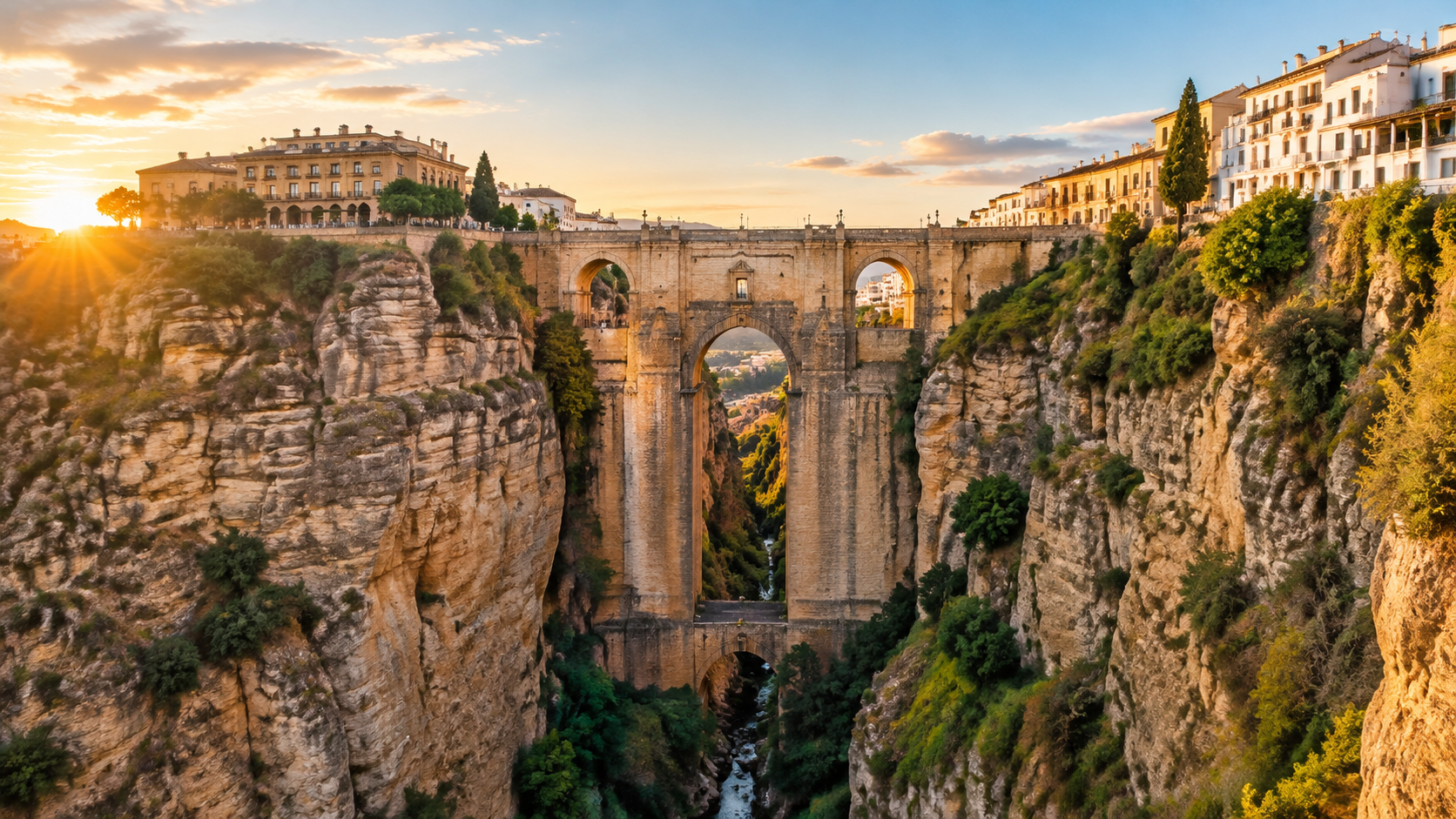
Puente Nuevo
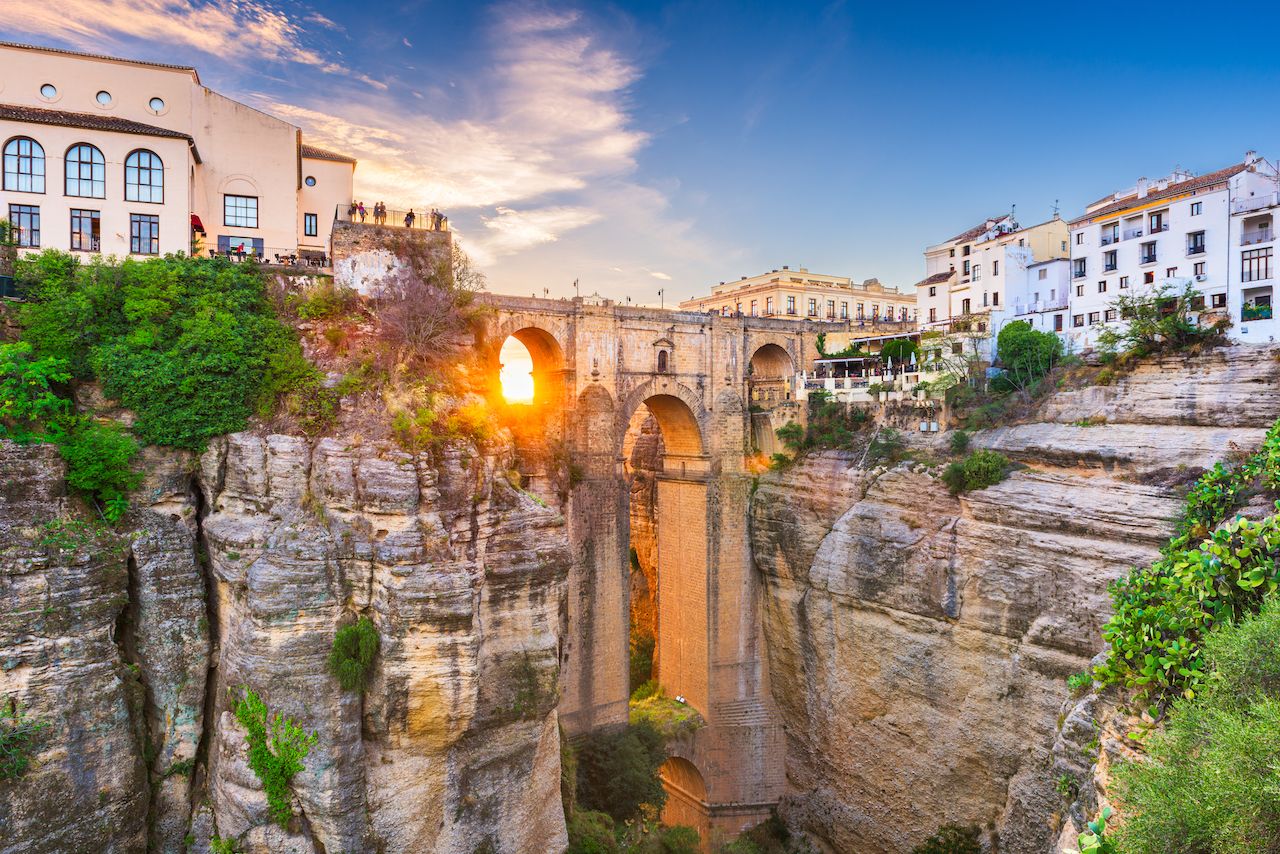
This 18th-century stone bridge spans the 120-meter deep El Tajo gorge and serves as the primary symbol of the city.
Walk to the base via the marked trail for scale.

Ronda sits 100 kilometres inland from Benalmádena, perched above the El Tajo gorge. A one day trip from Benalmadena to Ronda requires roughly 90 minutes of driving each direction, leaving five to six hours for the town itself. Most visitors anchor their route around the Puente Nuevo and the surrounding old quarters.
Quick answer
A day trip from Benalmádena to Ronda takes approximately 90 minutes by car via the A-397 and A-374. Departing by 08:30 allows arrival before mid-morning tour groups and leaves time to walk the bridge, explore both cliffsides, and return to the coast by early evening. The interpretation centre inside Puente Nuevo charges €2.50 and opens at 10:00 most days, closing earlier on Sundays.
The drive from Benalmádena climbs through the Serranía de Ronda, transitioning from coastal sprawl to mountain agriculture within thirty kilometres. Traffic thins past Coín, and the final approach descends into the basin where Ronda spreads across both sides of the gorge. Puente Nuevo serves as the physical and symbolic centre of any Ronda visit. The 18th-century arch spans the Tajo de Ronda, linking the Moorish medina on the southern cliffside with the newer Mercadillo quarter to the north. Most first-time visitors photograph the bridge from the viewpoint along Calle Tenorio, then cross to the interpretation centre housed in the old guard chamber. The chamber exhibit traces the bridge's construction and the gorge's role in Ronda's defensive history. The walking loop—bridge crossing, descent to the lower viewpoints via the Casa del Rey Moro gardens, return through the Arab baths quarter—takes two to three hours at a measured pace. Beyond the gorge, the town divides cleanly into zones of distinct character. The Ciudad, Ronda's medieval core, retains its labyrinthine street plan and the Mondragón Palace. The bullring at the north edge of Mercadillo draws visitors interested in tauromaquia's formal history; it operates as a museum outside corrida dates. The wine bars along Calle Pozo and Calle Jerez stock bottles from the Serranía's high-altitude vineyards, a detail many coastal visitors miss. Timing the return journey matters as much as the outbound leg. The A-374 narrows through Alozaina, and evening commuter flow from Marbella backs up the A-397 junction after 18:00. Departing Ronda by 16:30 sidesteps the worst of the coast-bound traffic and allows a single stop at one of the mirador pull-offs overlooking the valley. A well-executed day trip from Benalmadena to Ronda leaves the coast before breakfast and returns in time for a late seaside dinner, the mountain interlude sharp and complete between the two.
“The bridge spans the gorge at its narrowest point, where the limestone cliffs drop 120 metres to the Guadalevín riverbed.”
The best arrival window for your trip is 10:00–11:30. Arriving during this period helps you avoid mid-day heat and large tour groups arriving from the coast.
—
Fewer visitors provide more space at the major landmarks. This timing allows for a quieter experience before the afternoon surge.
Mild, 18°C–24°C
Spring offers comfortable temperatures for walking the historic streets. Expect larger crowds compared to winter months.
Hot, 30°C+
High temperatures make early arrival essential. Afternoon hours are significantly more crowded and physically demanding.
Warm, 20°C–27°C
Early autumn remains pleasant for exploring. Mid-week trips during these months offer a balance of weather and crowd levels.
Verdict: For the most efficient visit, plan your arrival between 10:00–11:30 on a weekday during the months of April, May, September, or October.
Ronda is located inland from the Costa del Sol, accessible via routes that traverse the Sierra de las Nieves mountains. Traveling by car is the most direct method, though public transport options require transfers.
A-366 via Alozaina or A-397 via San Pedro de Alcántara
Direct bus from Benalmádena to Málaga, then bus to Ronda
Commuter train (C1) to Málaga María Zambrano, then train to Ronda
If driving, head directly to the parking garages near the town center or Plaza de España, s/n, 29400 Ronda, Málaga, Spain, as street parking in the historic district is limited.
The Puente Nuevo Interpretation Centre operates on a consistent weekly schedule for visitors traveling from Benalmadena. Please check the hours below to plan your visit accordingly.
This itinerary suits visitors leaving Benalmádena early morning and returning by evening, allowing roughly 4–5 hours to explore Ronda's core sights on foot. The plan accounts for the 90-minute drive each way and prioritizes the town's iconic bridge, gorge views, and historic quarter.
Park near Plaza de España or in one of the signed lots below the old town. Walk to Puente Nuevo, entering via the interpretation centre inside the bridge (€2.50) to understand its 18th-century construction.
Cross the bridge for classic views into the 120-meter gorge, then descend partway on the Camino de los Molinos trail for dramatic angles looking back at the arches. Return via the same path.
Wander through the Moorish quarter (La Ciudad), visiting the Arab Baths and Casa del Rey Moro gardens. Stop at a local bar for tapas—many cluster around Plaza Duquesa de Parcent.
Tour Spain's oldest bullring (if open) and its attached museum, or visit the Lara Museum for Ronda's eclectic local history. Both sit within a 5-minute walk of the bridge.
Sit down for a proper Andalusian lunch—rabo de toro or local wine—at a terrace restaurant overlooking the valley. Book ahead in high season.
Stroll the clifftop park for panoramic views across the Serranía de Ronda mountains. Benches and shade make this a natural cooldown before the return drive.
Allow 90 minutes for the drive back, aiming to reach the coast before evening traffic peaks on the A-397 and AP-7.
Ronda offers several historical landmarks that reveal the town's architectural and cultural heritage. These sites are located within walking distance of the central district.
This 18th-century stone bridge spans the 120-meter deep El Tajo gorge and serves as the primary symbol of the city.
Walk to the base via the marked trail for scale.
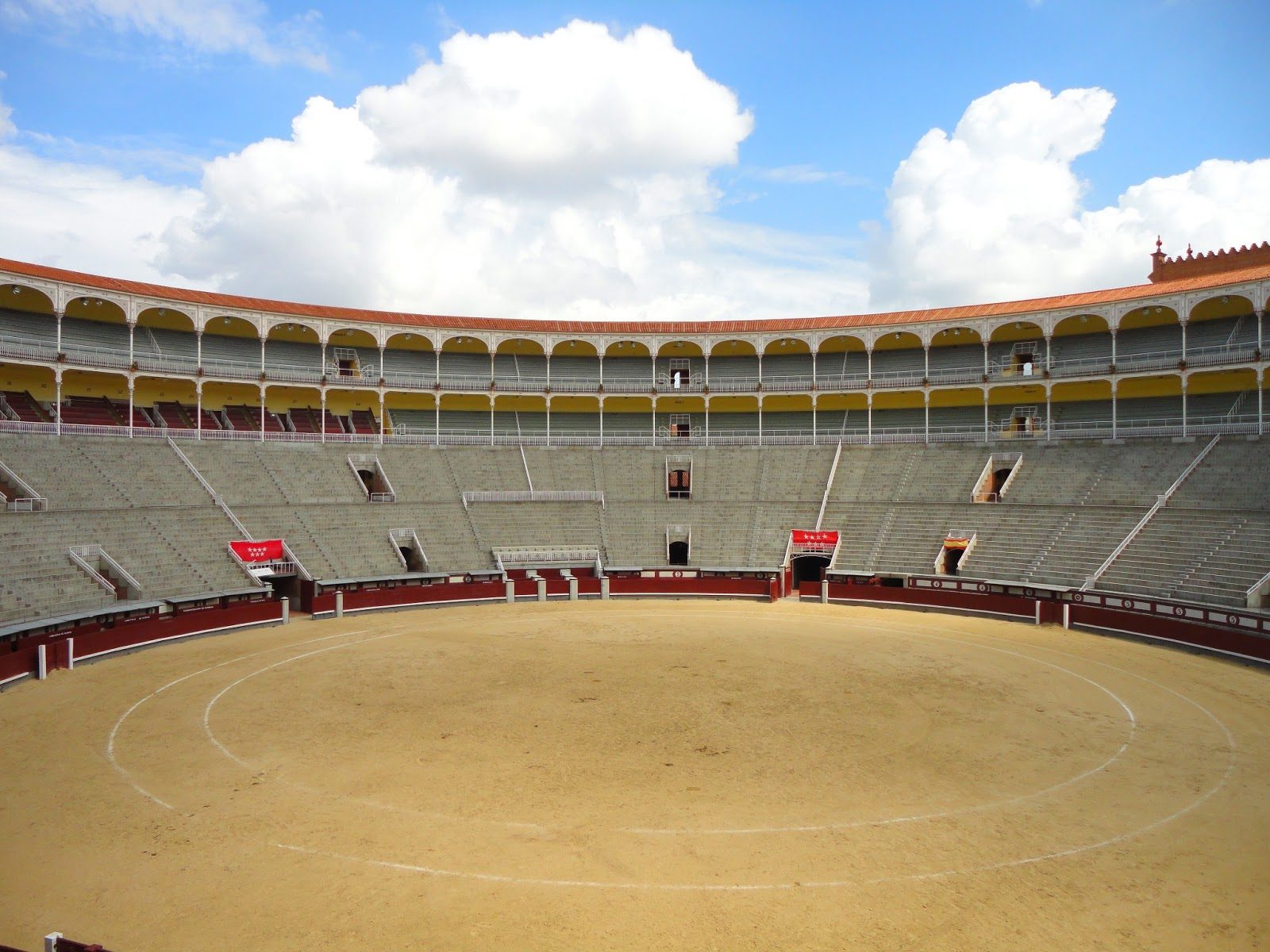
One of the oldest bullrings in Spain, this site includes an extensive museum detailing the history of equestrian traditions.
View the circular arena from the spectator tiers.
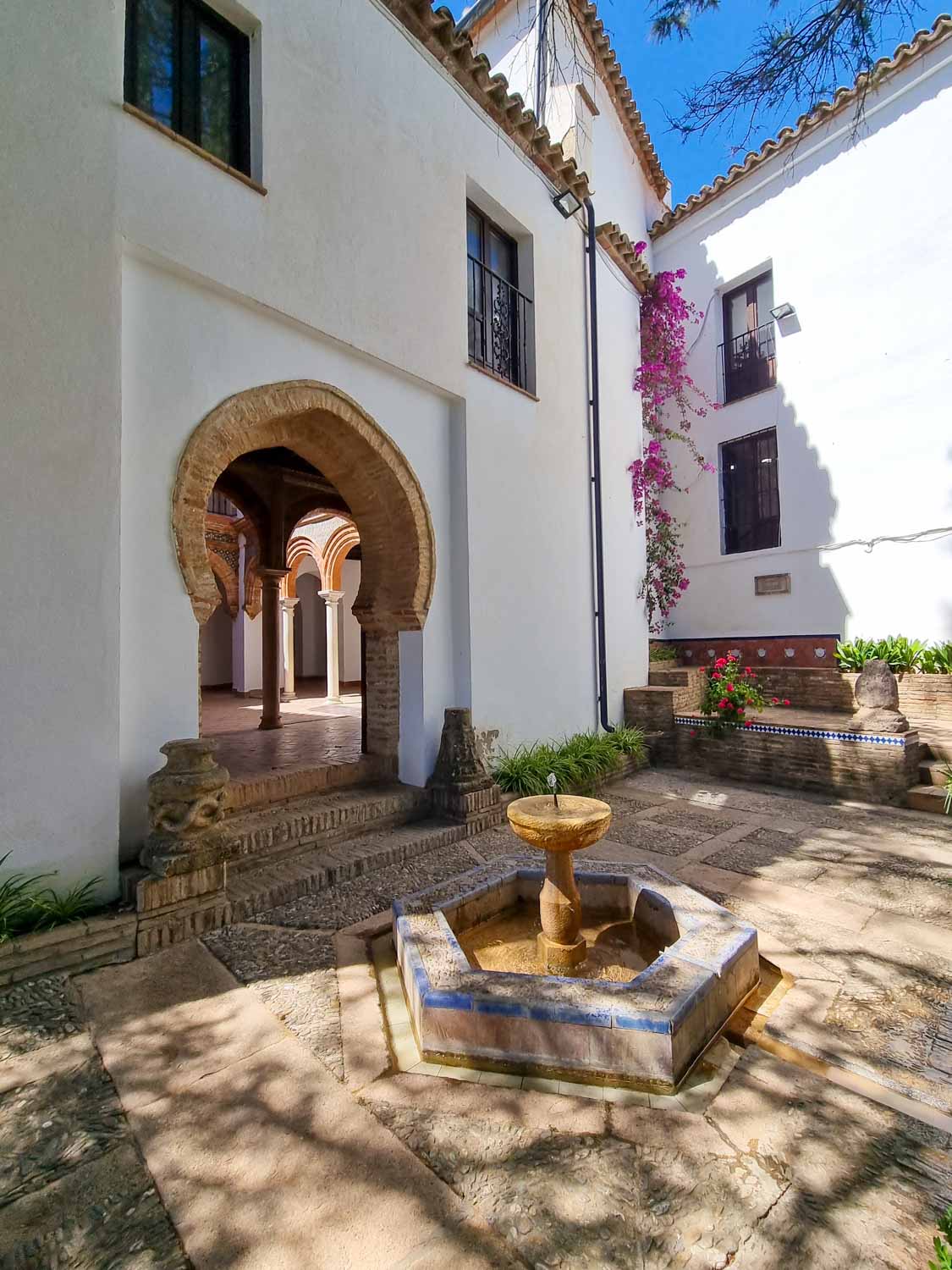
A former residence of Moorish kings, this site features traditional courtyards, Mudejar tilework, and views over the surrounding gardens.
Visit the garden terrace for quiet cliffside views.
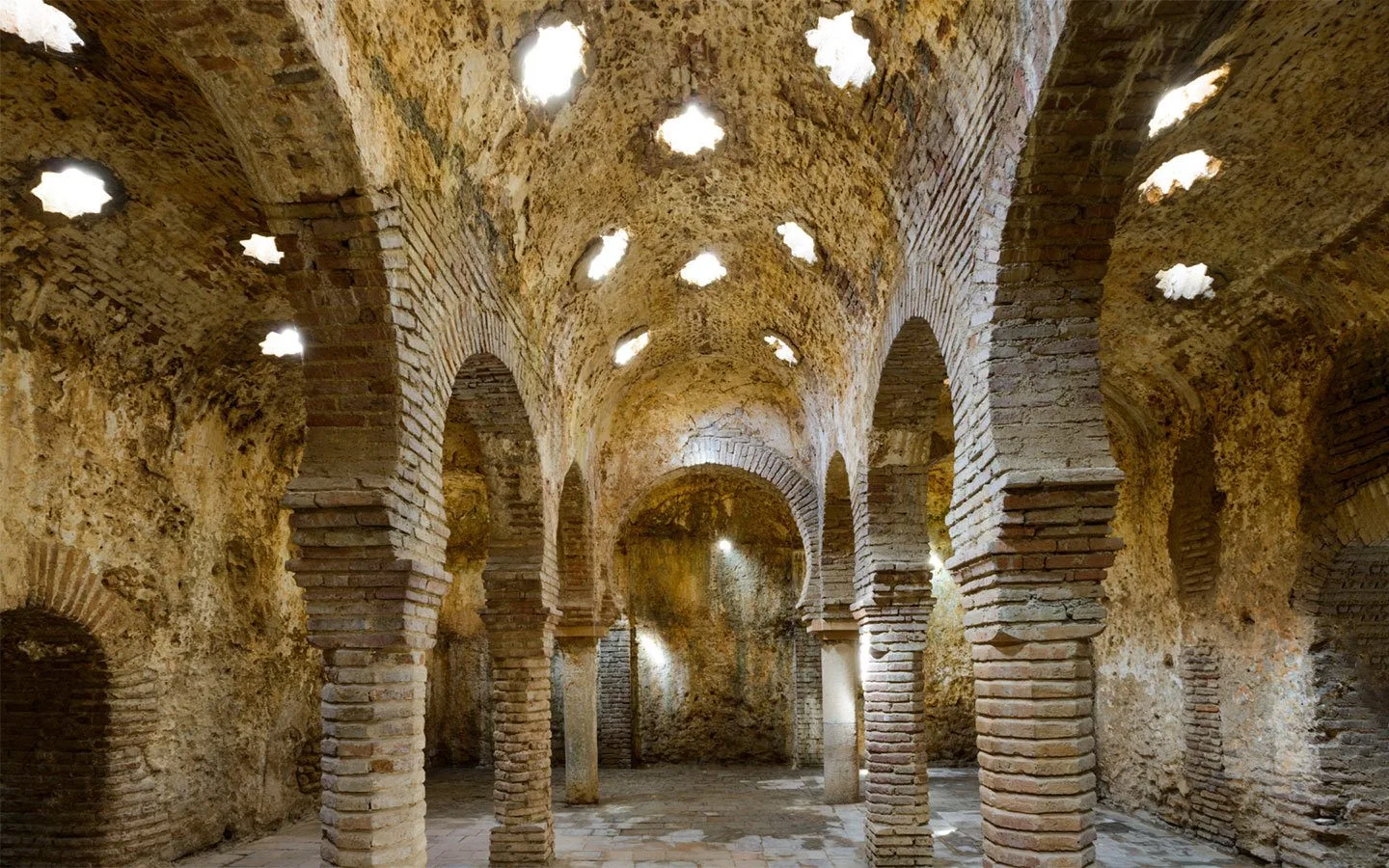
Located in the old Medina quarter, these well-preserved 13th-century baths demonstrate sophisticated hydraulic engineering.
Inspect the star-shaped vents in the vaulted ceilings.
Navigate Ronda efficiently by prioritizing specific terrain strategies and local timing habits to optimize your experience.
Wear shoes with high-grip soles as the cobblestone streets are uneven and often slippery.
The best views of the Puente Nuevo are found by taking the steep, unpaved dirt paths leading down into the gorge.
Carry a refillable water bottle, as public fountains in the historic center provide cold, drinkable water throughout the day.
Eat lunch before 13:30 or after 15:00 to secure a table at popular restaurants without waiting in long lines.
Download an offline map before departing, as narrow alleyways can cause signal loss for mobile navigation apps.
Allocate extra time for transit between the Plaza de España area and the lower bridge viewpoints due to the significant incline.
Everything you need to know about one day trip from benalmadena to ronda
A typical journey from the coast to the mountain town takes approximately 1.5 to 2 hours by car. Planning your travel schedule ahead ensures you maximize your time exploring the historic center.
The best arrival window is 10:00–11:30 to avoid mid-day heat and large tour groups arriving from the coast. Arriving early provides a quieter experience at major sites.
Yes, the admission fee to the Puente Nuevo Interpretation Centre inside the bridge is 2.5 EUR. This fee grants you access to the historical exhibition located within the iconic structure.
The center is open from 10:00 to 18:00 on Monday and Saturday, 10:00 to 19:00 from Tuesday to Friday, and 10:00 to 15:00 on Sunday. These scheduled hours apply to the interpretation facility within the landmark.
Ronda is highly walkable, making it easy to visit the Tajo Gorge, the Plaza de Toros, and local museums on foot. Comfortable footwear is recommended for navigating the historic cobbled streets and viewing platforms.
Focus on visiting the main gorge area during the cooler morning hours to enjoy the dramatic limestone cliffs. Bringing water and preparing for potential mountain temperature shifts will enhance your visit.
Most visitors opt for a rental car or guided bus excursion to manage the winding mountain roads. Ensure you confirm parking availability in the town center before your departure.